



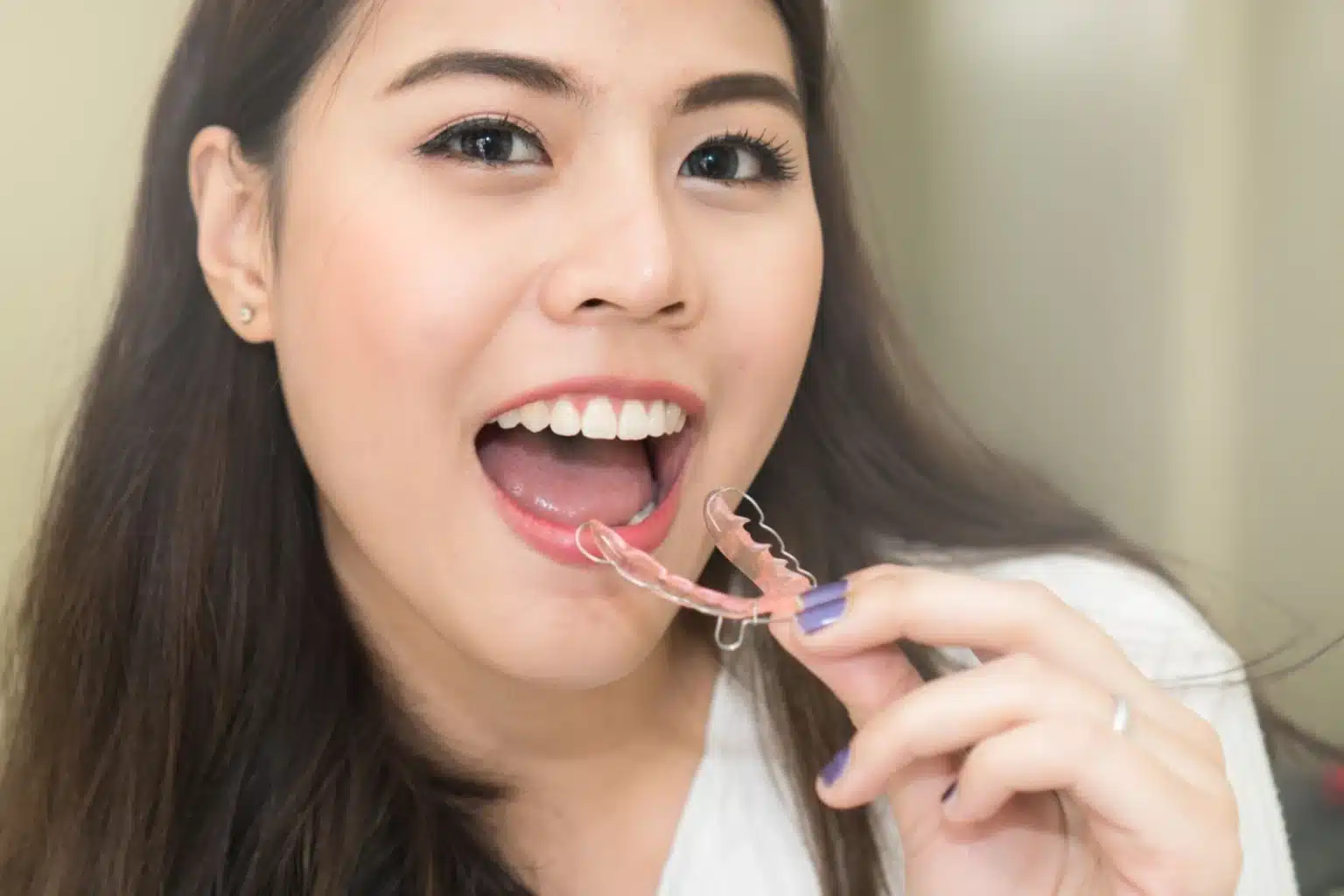
Why Wearing Retainers After Braces Is Important
Retainers after braces are custom-made devices worn to keep teeth in their new positions after orthodontic treatment. They prevent teeth from shifting back, ensuring your smile stays aligned and stable over time.
After braces, many people underestimate retainers. Retainers hold teeth in their corrected positions and stop them from drifting back. This article explains why retainers matter, the benefits they offer, the risks of skipping them, the main retainer types, care instructions, and where to get personalized advice in Toronto.
Key Benefits of Wearing Retainers
Wearing retainers after braces delivers benefits that protect your smile long-term.
- Prevents Teeth Shifting: Retainers help maintain the alignment achieved through braces, ensuring that teeth do not revert to their previous positions.
- Stabilizes Teeth: By providing consistent pressure, retainers stabilize the teeth and surrounding bone structure, allowing for proper healing and adjustment.
- Cost Savings in the Long Run: Investing in retainers can save money by reducing the need for future orthodontic treatments due to relapse.
For tailored retainer care, consult a professional. Wired Orthodontics offers consultations to explain the best practices for retainer use.
How Do Retainers Prevent Teeth Shifting and Relapse?
Retainers after braces apply gentle pressure to keep teeth steady while bone and gums adapt. After braces are removed, retainers stop teeth from drifting back. The first few months after removal are the most critical for maintaining alignment.
What Long-Term Oral Health Improvements Result from Retainer Use?
Consistent retainer use improves long-term oral health.
- Improved Oral Hygiene: By keeping teeth in their correct positions, retainers can help facilitate better oral hygiene practices, making it easier to clean teeth effectively.
- Enhanced Bite Function: Proper alignment contributes to a more functional bite, reducing the risk of jaw pain and other dental issues.
These benefits show that retainers protect both cosmetic results and overall oral health.
How Long Should You Wear Retainers to Maintain Your Smile?
Wear retainers full-time for the first few months after braces. After that, most orthodontists recommend switching to nightly wear indefinitely to keep teeth stable.
What Types of Orthodontic Retainers Are Available and How Do They Differ?
Two main types exist: removable and permanent. Understanding their differences helps you choose the right option.
| Retainer Type | Description | Usage |
|---|---|---|
| Removable Retainers | Custom-made devices that can be taken out easily | Ideal for patients who prefer flexibility |
| Permanent Retainers | Bonded to the back of the teeth for continuous support | Best for those needing long-term stability |
Both types of retainers serve the same purpose but differ in their application and maintenance.
How Should You Maintain and Care for Your Retainers Properly?
Caring for retainers preserves their lifespan and function. Key tips follow:
- Daily Cleaning: Clean your retainers daily with a soft toothbrush and mild soap to prevent the buildup of bacteria and plaque.
- Proper Storage: When not in use, store retainers in a protective case to avoid damage.
- Avoid Heat: Keep retainers away from hot water or direct sunlight, as heat can warp the material.
These steps help keep your retainers effective and hygienic.
How Can You Address Common Retainer Discomfort and Damage?
Discomfort or damage with retainers is common. Use these strategies to manage issues:
- Daily Cleaning: Regular cleaning can prevent discomfort caused by plaque buildup.
- Consult Your Orthodontist: If you experience persistent discomfort, consult your orthodontist for adjustments or replacements.
- Use Orthodontic Wax: Applying orthodontic wax can help alleviate irritation caused by sharp edges.
Fixing problems quickly keeps your retainer comfortable and effective.
What Are the Effects and Risks of Skipping Retainer Use After Braces?
Skipping prescribed retainer use can cause several problems:
- Teeth Shifting Back to Original Positions: Without retainers, teeth are likely to move back to their pre-treatment positions, negating the benefits of braces.
- Need for Further Orthodontic Treatment: Skipping retainer use may result in the need for additional orthodontic work, which can be costly and time-consuming.
Knowing these risks shows why consistent retainer use matters.
What Makes Wired Orthodontics a Trusted Provider for Retainer Guidance?
Wired Orthodontics focuses on patient education and personalized care. Dr. Mark Nalbandian and his team deliver tailored orthodontic solutions and clear guidance for retainer needs. Their focus on quality and patient satisfaction makes them a trusted choice in Toronto.
Keep Your Smile Aligned with Wired Orthodontics
Retainers after braces are essential to keep your teeth aligned and prevent costly relapse. They stabilize your smile, support oral health, and save money over time. For personalized retainer advice, Wired Orthodontics in Toronto, led by Dr. Mark Nalbandian, provides comprehensive care and tailored guidance. Booking a consultation is simple—you can email info@wiredorthodontics.ca. Our team will provide customized retainer care tips to help keep your smile healthy. Schedule your consultation today to protect your smile for years to come!
Frequently Asked Questions
What should I do if my retainer feels tight or uncomfortable?
A tight or uncomfortable retainer can result from natural tooth changes or the device itself. Clean it regularly since plaque can cause irritation. If it stays tight, see your orthodontist for an adjustment or replacement. Orthodontic wax can ease sharp edges until your appointment.
Can I eat or drink while wearing my retainer?
Remove your retainer for meals and drinks, especially hot or sticky foods. This prevents damage and trapped food that can cause bacteria buildup. If you must drink with it in, stick to water to avoid stains.
How often should I replace my retainers?
Retainer life varies with care and use. Removable retainers often need replacing every 1–3 years; permanent retainers can last much longer with proper maintenance. Regular check-ups help determine when a replacement is needed. Watch for wear, cracks, or a poor fit.
Are there any foods I should avoid while wearing a retainer?
Avoid hard, sticky, or chewy foods that can damage or dislodge your retainer, such as caramel, gum, and hard candies. Cut hard fruits and vegetables into smaller pieces. A careful diet helps extend retainer life and keeps teeth aligned.
What should I do if I lose or break my retainer?
If you lose or break your retainer, contact your orthodontist immediately. They can advise on next steps, which may include making a new retainer. Don’t skip retainer use, as teeth can shift. Use a backup retainer if you have one until a replacement is ready.
Can I clean my retainer with toothpaste?
Don’t use toothpaste on your retainer. Many toothpastes are abrasive and can scratch the surface, encouraging bacterial buildup. Use a soft toothbrush with mild soap or a specialized retainer cleaner to keep it hygienic without damage.
How can I ensure my retainer lasts longer?
To extend your retainer’s life, clean it daily with a soft brush and mild soap, store it in its protective case, and avoid heat that can warp it. Regular orthodontic check-ups help spot issues early so you can fix them promptly.