



Can Braces Fix TMJ? Symptoms, Causes, and Treatment
The short answer is: sometimes. Whether braces would help with TMJ depends entirely on what is causing it in the first place. If your jaw pain, clicking, or limited range of motion stems from a bite misalignment that braces can correct, then orthodontic treatment may genuinely reduce or eliminate your symptoms. If the cause is muscular, stress-related, or structural in ways that go beyond the bite, braces alone will not be the solution.
Wired Orthodontics serves patients across Toronto, Scarborough, Markham, and North York, and Dr. Mark Nalbandian, a specialist in orthodontics and dentofacial orthopedics, evaluates TMJ concerns as part of every comprehensive orthodontic consultation. This guide covers what TMJ actually is, what causes it, and when orthodontic treatment is genuinely part of the answer.
What Is TMJ and What Are the Symptoms?
TMJ stands for temporomandibular joint, the joint on each side of your jaw that connects the lower jaw to the skull. The term TMJ is often used shorthand to describe TMJ disorder (also called TMD), a range of conditions that affect this joint and the muscles that control jaw movement.
The symptoms of TMJ disorder vary widely between patients but commonly include:
- Jaw pain or soreness: particularly in the morning or after eating
- Clicking, popping, or grinding sounds: when opening or closing the mouth
- Difficulty opening the mouth fully: or a jaw that gets stuck or locks in position
- Headaches: often concentrated around the temples or behind the eyes
- Earaches or ringing: that have no identifiable ear-related cause
- Facial pain or fatigue: in the muscles around the jaw and cheeks
- Teeth wear patterns: uneven wear on the biting surfaces that suggest bite imbalance
What Causes TMJ Disorder?
TMJ disorder is rarely caused by a single factor. It is typically the result of several contributing issues working together. Understanding the cause matters enormously because treatment that addresses the wrong cause will not produce lasting relief.
| Cause | What It Means | Does Orthodontic Treatment Help? |
| Bite misalignment | Upper and lower teeth do not come together correctly, creating uneven jaw loading | Often yes |
| Jaw discrepancy | Structural difference in jaw size or position affecting how the joint sits | Sometimes, with orthodontic surgery |
| Bruxism | Habitual grinding or clenching, often during sleep | Partially, by improving bite; splint also needed |
| Muscle tension | Jaw muscles chronically tense from stress or habit | Not directly; physiotherapy more appropriate |
| Joint degeneration | Arthritic or structural changes to the joint itself | No; medical management required |
| Disc displacement | The cartilage disc in the joint has shifted out of place | No; specialist referral required |
This table is the most important thing to understand before asking whether braces would help with TMJ: the answer depends on which row your cause falls into. An orthodontist can identify bite-related contributors. A full diagnosis may also involve your dentist, an oral and maxillofacial specialist, or a physiotherapist, depending on what is driving the symptoms.
Would Braces Help TMJ? The Cases Where Orthodontics Can Make a Difference

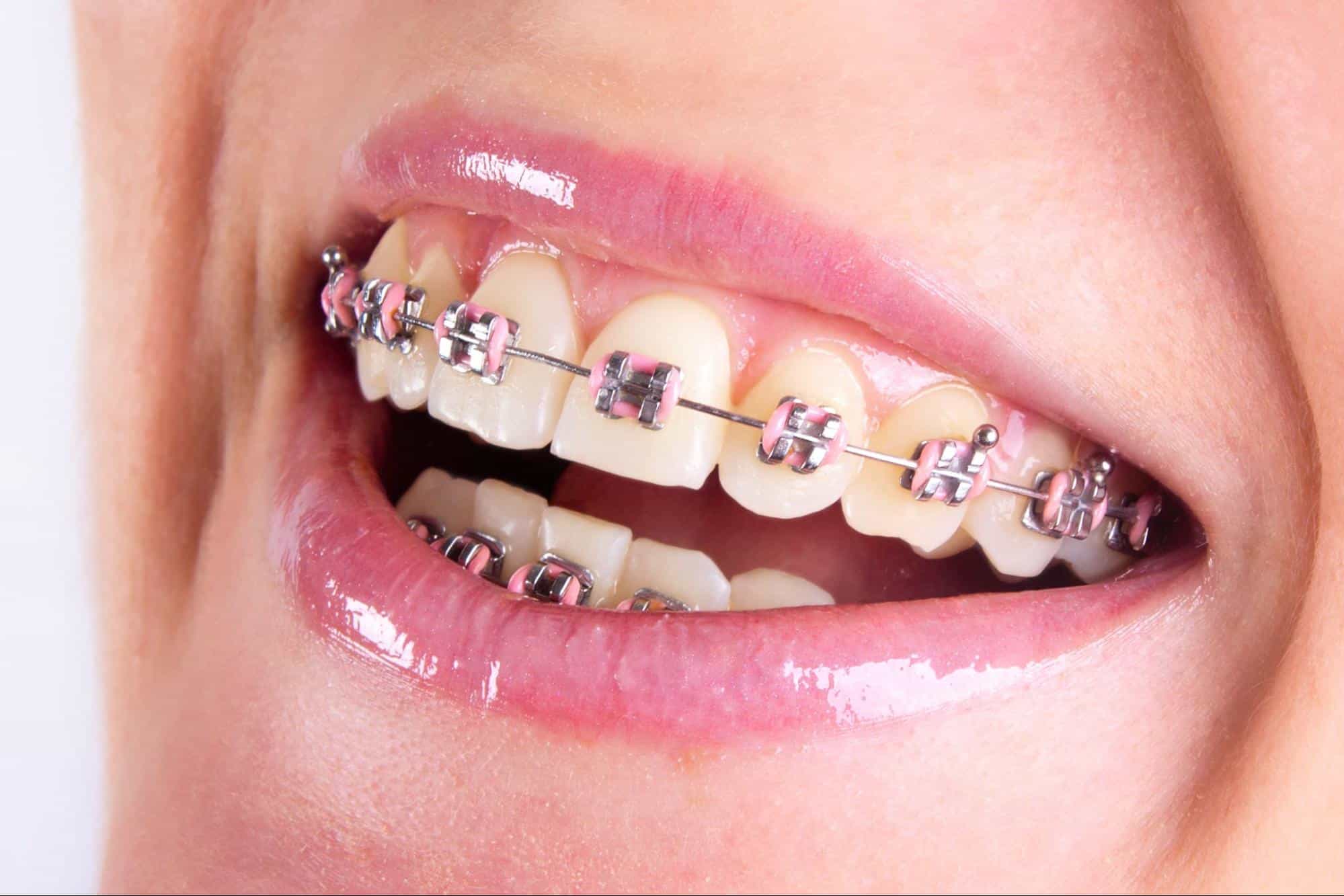
Braces in Toronto at Wired Orthodontics can genuinely contribute to TMJ symptom relief when the underlying cause is bite-related. Here is how.
Correcting a Deep Overbite
A significant overbite, where the upper front teeth cover too much of the lower teeth vertically, forces the lower jaw into a retruded position. Over time, this places chronic stress on the temporomandibular joint. Correcting the overbite with braces moves the lower jaw into a more natural position and can reduce the joint loading that contributes to pain and clicking.
Fixing a Crossbite
A crossbite occurs when upper and lower teeth meet on the wrong side of each other, causing the jaw to shift laterally during biting and chewing. This asymmetric loading pattern is a documented contributor to TMJ symptoms. Correcting the crossbite with braces normalises the bite relationship and removes the lateral shift that strains the joint on one side.
Addressing Severe Crowding Affecting Bite
In some cases, significant crowding causes the teeth to come together in a way that forces the jaw into a poor position on closure. Aligning the teeth properly with braces allows the jaw to close into its natural resting position, which can reduce joint and muscle strain.
Combined Orthodontic and Surgical Treatment
For patients with skeletal jaw discrepancies, where the upper and lower jaws are structurally mismatched beyond what braces alone can correct, orthodontic surgery combined with braces may be the appropriate path. Dr. Nalbandian evaluates surgical candidacy and co-ordinates with oral and maxillofacial surgeons when skeletal correction is clinically indicated.
The Relationship Between Braces and Bruxism
Bruxism, the habitual grinding or clenching of teeth, is both a cause and a consequence of TMJ disorder. It puts enormous force on the joint and the surrounding muscles, and it accelerates tooth wear significantly.
Braces in Toronto can help bruxism patients by correcting the bite misalignment that sometimes triggers grinding patterns. When teeth come together more evenly after orthodontic treatment, the bite is more stable and the unconscious grinding that arises from an unstable bite often diminishes.
However, braces alone are rarely sufficient for bruxism management. An occlusal splint worn at night is usually prescribed alongside orthodontic treatment to protect the new tooth positions and the joint during the grinding episodes that may continue, especially in stress-driven cases.
What to Expect If You Pursue Braces for TMJ-Related Reasons
If Dr. Nalbandian determines at your consultation that bite correction with braces is appropriate for your TMJ presentation, here is what the process typically involves:
- Full orthodontic and TMJ assessment: Dr. Nalbandian evaluates your bite, jaw position, and joint symptoms as part of a comprehensive clinical picture rather than treating the teeth in isolation.
- Treatment planning: A personalised plan is developed that addresses both the alignment goals and the functional bite correction needed for TMJ relief.
- Active braces treatment: Braces are placed and treatment progresses according to plan, typically 18 to 24 months for comprehensive cases. The complete braces timeline guide covers what to expect at each stage.
- Monitoring of TMJ symptoms: Throughout treatment, Dr. Nalbandian monitors whether the bite correction is having the expected effect on joint and muscle symptoms.
- Retention: Retainers after treatment protect both the alignment result and the improved bite relationship that is contributing to TMJ relief.
When Braces Are Not the Answer for TMJ

It is equally important to know when to seek a different type of care. Braces are unlikely to provide meaningful TMJ relief when:
- The cause is primarily muscular: physiotherapy, massage, and stress management are more effective for tension-driven TMJ
- There is disc displacement: an oral medicine specialist or oral and maxillofacial surgeon should be involved
- The joint itself is degenerating: arthritic changes to the joint require medical management, not orthodontic correction
- Symptoms are acute and severe: active inflammation needs to be settled before orthodontic treatment begins
Referring a patient to the right provider when orthodontic treatment is not the appropriate answer is part of what a good orthodontic consultation should include. Dr. Nalbandian co-ordinates with dentists, oral surgeons, and other specialists when a patient’s TMJ picture requires it.
Braces in Toronto at Wired Orthodontics
Wired Orthodontics is located at 3137 Sheppard Ave East, Unit 108 in Scarborough, serving patients from across Toronto, Markham, and North York. Dr. Mark Nalbandian is a specialist in orthodontics and dentofacial orthopedics, born and raised in Toronto, and one of Canada’s Top 1% Invisalign providers. His expertise extends to TMJ assessment as part of comprehensive orthodontic treatment planning, and his approach is to provide honest clinical guidance rather than overpromising what any single treatment can achieve.
Complimentary consultations are available. To book or ask questions about TMJ and orthodontic treatment, contact Wired Orthodontics online or call (647) 344-9473.
Address: 3137 Sheppard Ave East, Unit 108, Scarborough, ON M1T 1P4
Phone: (647) 344-9473 or (647) 344-WIRE
Fax: (647) 346-9473
Email: info@wiredorthodontics.ca
Book Your Free Consultation at Wired Orthodontics Toronto
Frequently Asked Questions
Would braces help with TMJ?
Braces can help TMJ when the underlying cause is bite misalignment. Correcting a deep overbite, crossbite, or bite imbalance through orthodontic treatment can reduce the abnormal loading on the temporomandibular joint and relieve associated pain and clicking. Whether braces would help your TMJ specifically depends on what is causing your symptoms, which requires a clinical assessment to determine.
Can braces make TMJ worse?
In some cases, orthodontic treatment that moves teeth into a new bite relationship can temporarily change the forces on the jaw joint. This is usually managed through careful treatment planning. An orthodontist with experience in TMJ assessment, like Dr. Nalbandian, accounts for joint health when designing a treatment plan so that bite correction supports rather than strains the joint.
What is the difference between TMJ and TMD?
TMJ refers to the temporomandibular joint itself, the hinge joint connecting the jaw to the skull. TMD stands for temporomandibular disorder, the clinical term for conditions affecting that joint and the surrounding muscles. Most people use TMJ to mean the disorder, but technically TMD is the more accurate term for the condition.
How long do braces take for bite correction in Toronto?
Comprehensive orthodontic treatment for bite correction, including cases with TMJ-related bite issues, typically takes 18 to 24 months. The complete braces timeline guide at Wired Orthodontics covers what to expect at each stage. Dr. Nalbandian provides a personalised estimate at the free consultation based on your specific case.
Do I need a referral to see an orthodontist in Toronto for TMJ?
No referral is needed to book a consultation at Wired Orthodontics. Dr. Nalbandian will assess whether your TMJ symptoms have an orthodontic component and advise on the most appropriate treatment path, which may involve referral to additional specialists depending on what is driving your symptoms.
Does Dr. Nalbandian treat TMJ at Wired Orthodontics Scarborough?
Dr. Nalbandian is a specialist in orthodontics and dentofacial orthopedics who evaluates bite-related contributors to TMJ symptoms as part of comprehensive orthodontic treatment planning. He does not treat TMD as a standalone condition but assesses the orthodontic component of a patient’s presentation and co-ordinates with other providers when appropriate. Braces in Toronto at Wired Orthodontics are available to all patients following a complimentary consultation. Call (647) 344-9473 to book.